Episode Details
Back to Episodes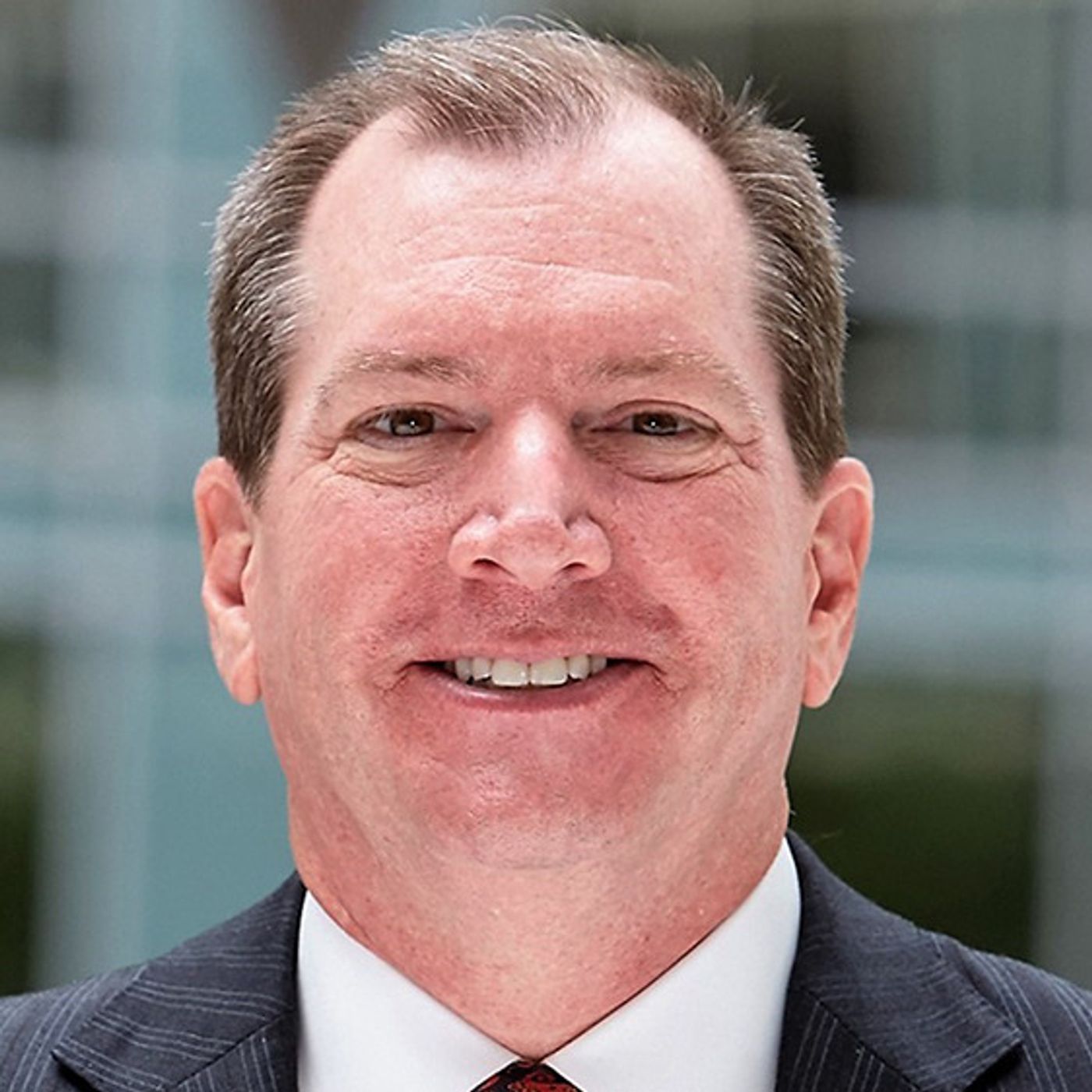
Peter Gleason: "We Look at Board Directorships as a Profession with Accountability and Expectations."
Description
0:00 -- Intro.
1:31 -- Start of interview.
1:57 -- Peter's "origin story".
2:40 -- His career prior to NACD, including at Institutional Shareholder Services (ISS). Peter joined NACD in 2000.
4:52 -- On the origin and mission of the National Association of Corporate Directors (NACD). Founded in 1977 by John Nash. Today the organization has grown to 23,000+ members.
7:02 -- About the NACD Directorship Certification (created three years ago). About 2,800 candidates have registered, and about ~1,100 have graduated with the certification.
10:38 -- On the evolution of corporate governance in the last 30 years from his vantage point. “Everything has changed [about boards] – it used to be more of an honorary position, we look it now as a profession with accountability and expectations.” The precedent of the ISS corporate governance quotient (CGQ).
14:36 -- About NACD’s Future of the American Board Report: A Framework for Governing into the Future.
20:07 -- On NACD's Summit 2022 and lessons from 2022 from a corporate governance perspective. The impact of the pandemic and getting back to in-person events.
24:29 -- About NACD's 20 chapters throughout the US. Mostly in "NFL cities."
27:53 -- On ESG and the anti-ESG trend and the politicization of corporation governance.
30:30 -- On Institutional Investors passing-through voting power to beneficial owners, retail investors and the Universal Proxy Rule. A revolution in shareholder democracy?
41:01 -- On the increasing influence of private markets and its corporate governance implications. "From NACD's 23,000 members, about 8,000 are directors of private companies." There is a lot of informationsharing between public and private company directors.
43:49 -- On the challenges of founder-led private companies. The case of FTX.
47:20 -- On dual-class share structures (supermajority voting structures). "The NACD doesn't have an official position." The example of Meta and Mark Zuckerberg. On the role of the board in non-profits. "I always recommend to go get a few independent directors for boards, because they will tell you what they are thinking (unvarnished opinions) but you have to listen to their independent advice."
52:10 -- Focus on social issues (pressure on CEOs speaking out). The framework that CEOs and boards must use to communicate their positions.
55:39 - The books that have greatly influenced his life:
- Good to Great, by Jim Collins (2001)
- To Kill a Mockingbird, by Harper Lee (1960)
- The Industries of the Future, by Alec Ross (2016)
57:17 - His mentors, and what he learned from them.
- His parents.
-
Listen Now
Love PodBriefly?
If you like Podbriefly.com, please consider donating to support the ongoing development.
Support Us