Episode Details
Back to EpisodesThe Frankenstein Method
Description
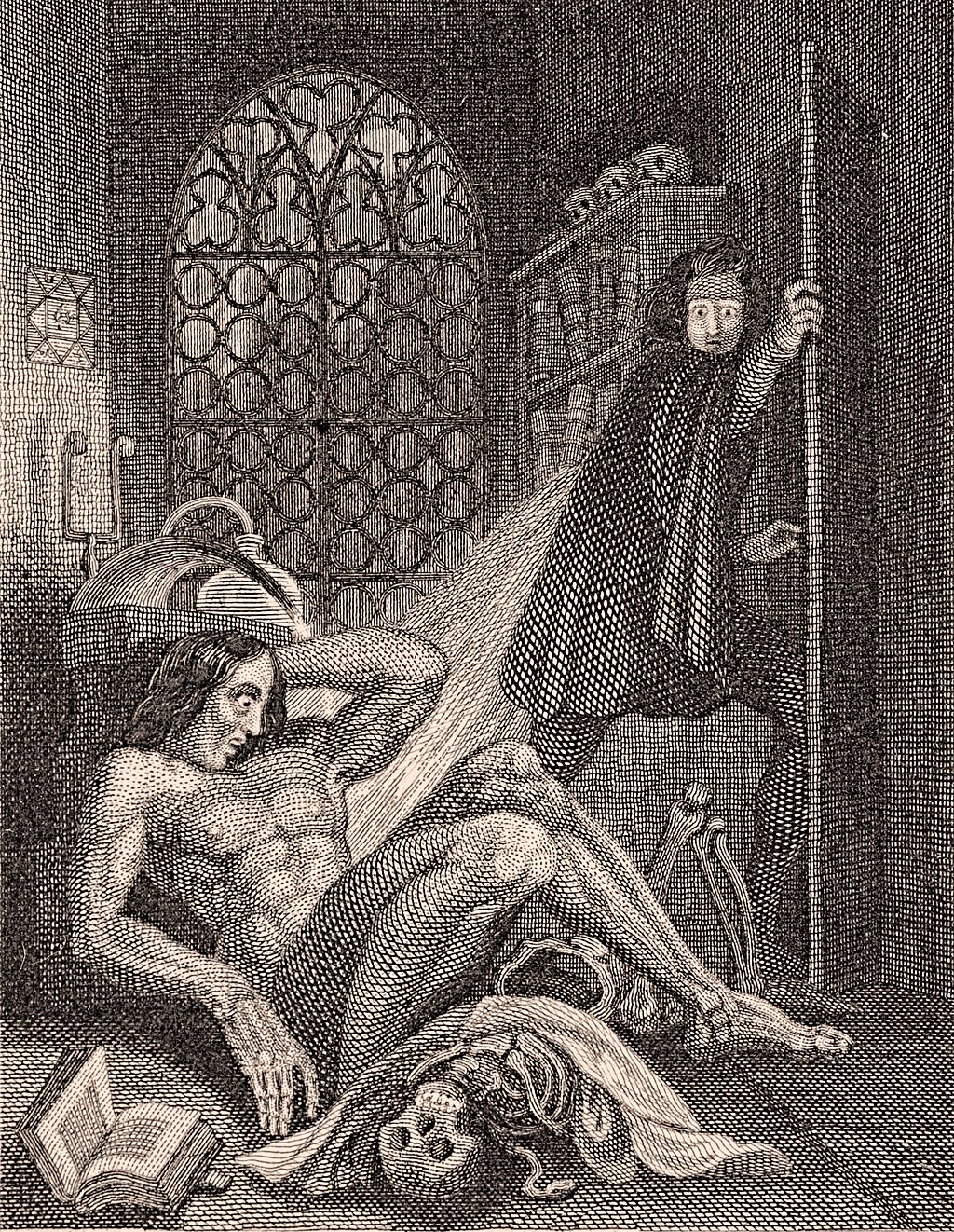
The method Frankenstein employed to create life is left mostly a mystery in Mary Shelley’s 1818 book. How then did the notion of stolen body parts stitched together and animated by lightning become so firmly entrenched in popular imagination?
Our episode begins with a clip from Universal’s pattern-setting 1931 production, Frankenstein, in which Henry Frankenstein rhapsodizes about building the creature’s body from the dead. While the idea’s suggested in Shelley’s novel, the process doesn’t quite seem to match the cinematic treatment in which the creature’s fabricated from whole human body parts stitched together. We’ll hear some passages read by Mrs. Karswell, that seem to suggest Shelley’s Frankenstein fabricates his creature instead from component materials — tissues and whole systems built up slowly over bones obtained from the charnel house. The creature’s large stature in films, however, matches the literary prototype — for very practical reasons, as is explained.
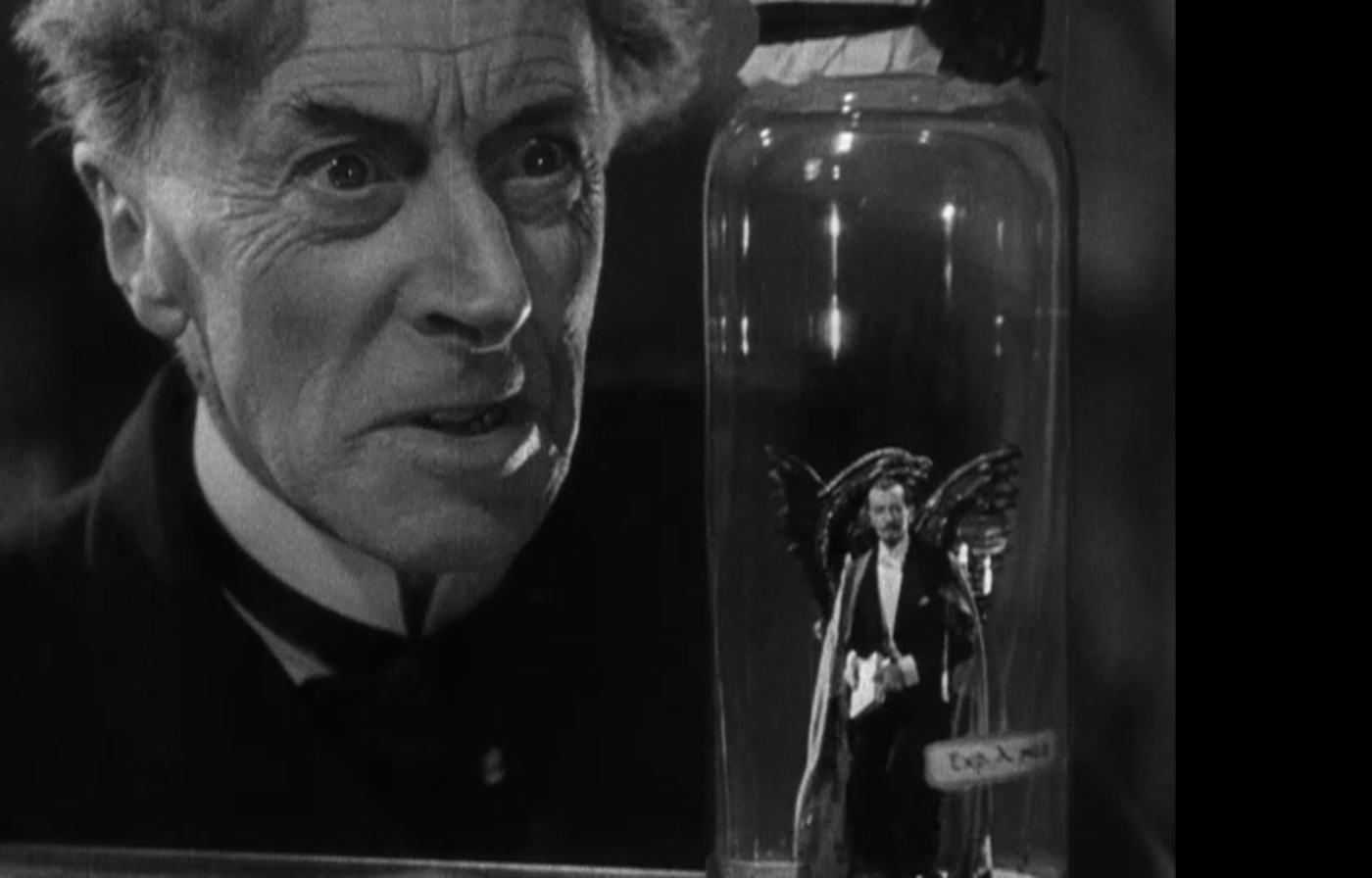
Next we have a look at how Shelley portrays Victor Frankenstein’s desire to create life as influenced by his study of alchemical texts (by Cornelius Agrippa, Albertus Magnus, and Paracelsus,) Of particular interest here is the work of his Swiss countryman, Paracelsus, who in the 16th century set down directions for the creation of a homunculus, a tiny human-like being grown in a glass bottle.
These comments, in a general way, seem to have influenced an odd inclusion in the script for 1935’s The Bride of Frankenstein, in which Frankenstein’s partner in monster-making, Dr. Pretorius, presents his own experiments in creating homunculi (as in the clip played).
Listen Now
Love PodBriefly?
If you like Podbriefly.com, please consider donating to support the ongoing development.
Support Us