Episode Details
Back to Episodes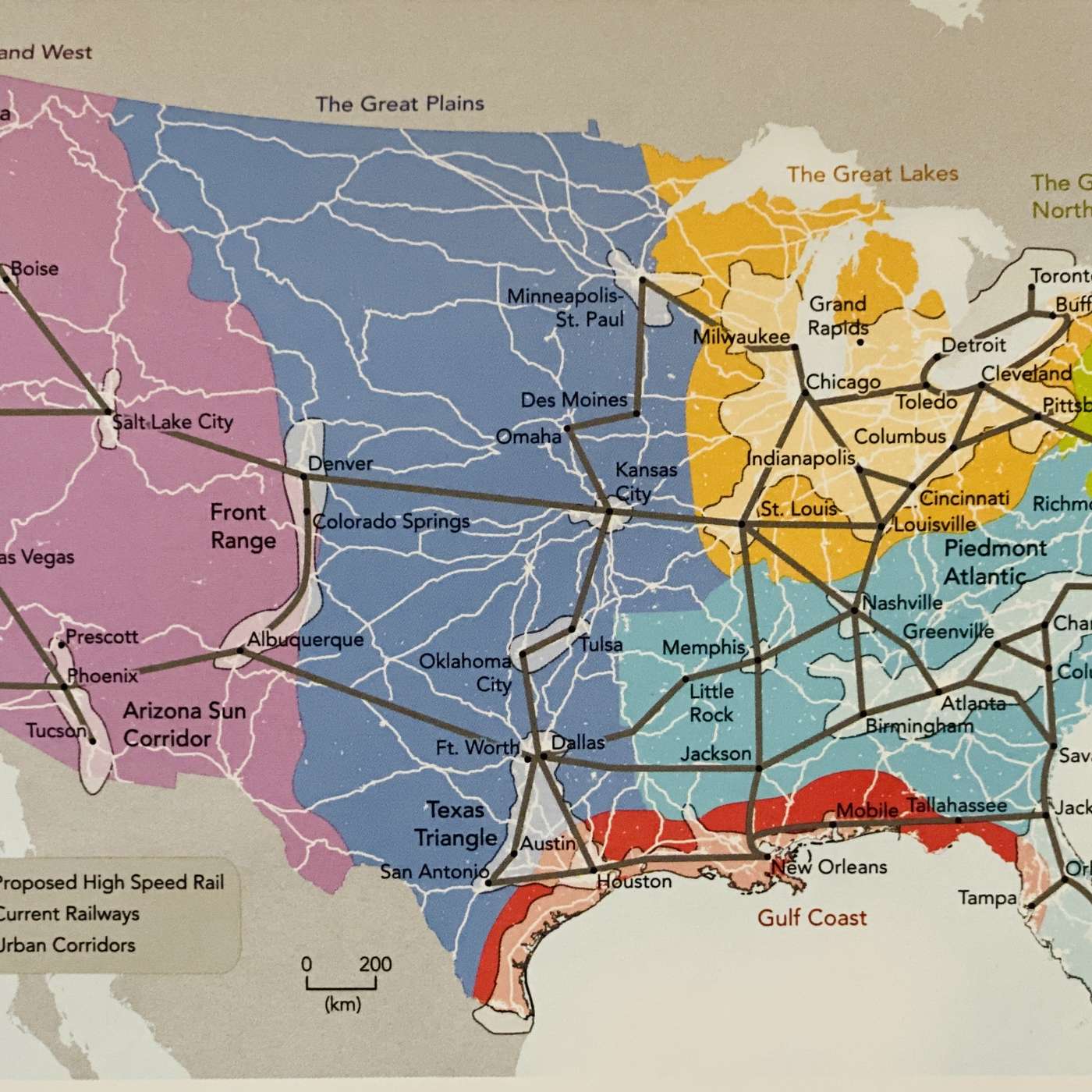
Supply Chains, Mega Cities & the Unibomber: Systems, Society & Rebellion
Description
Support the show:
https://www.paypal.me/Truelifepodcast?locale.x=en_US
One on One Video Call W/George
https://tidycal.com/georgepmonty/60-minute-meeting
Transcript:
Speaker 0 (0s): Good morning America. Good morning. My friends hope you had a great weekend. We're back here on Monday. Just getting ready to start this week off the right way. Hope you guys had a great weekend. You guys do anything fun. You get to hang out a little bit. I got to interview a really amazing guy that if you look at the podcast history, you'll see a part one and a part, two of a mr. Adam Lopez, highly. I highly urge you to check it out and check out that guy's a webpage and information.
He's an interesting cat. He's one of us. He's one of us man from the back of a cop car to the studios in Nashville. This guys pretty much done it all. And he's got a pretty good philosophy on life as well. So if you haven't checked those out, go back and check them out. So I did that this weekend. Additionally, I had some, some time to think just about the reality of our situation and how crazy this time of year is, especially in an election year.
And it just got me thinking about why are things the way they are? Have they always been this way? Are they changing? And I came up, I did a little research on our, on our economic environment. And it's amazing what you can find. If you just take a little bit of time to look and see what's happening, not only in your neck of the woods, but on a global scale in my house, I have like one wall, that's all wallpapered and it's a big map and it's really changed the way I see the world.
It's really interesting to wake up everyday and you just see where you are in the world. And then, because that map is on the wall. And because that map is part of your daily routine, when you hear news, or when you hear anything about the world, you're much more tuned into it. Cause you have this visual and it's easier to understand the demographics. It's easy or to understand the supply chains. And I think that's a good segue into what, what it is I want to kind of get into today.
And it is about supply chains. It's about supply chains, mega cities, special economic zones, and a sort of new world disorder. You may have heard me previously talk about a book called Connectography with dr. Parag Conner. And I've been revisiting this book. I've been revisiting this book connect Connectography and I think a good companion book with it is technocracy.
One is written in the form of a positive view. And the second is written in the form of a dystopian view. And it's really interesting when you read both of these books together, because they talk about similar things. However, they talk about I'm in an orthogonal position. Does that make sense? Like, so they're at odds with each other. It's almost like one is written and then the other is a criticism of it today.
I want to give you a little bit more perspective on dr. Pirog Kaunas view of supply chains in the world being connected. The reason I would like to do that is I believe he gives a lot of advice and insight onto what is happening in our world today. So with that being said, let me, you know what, let me first premise it with this.
There's a really large push right now for public private partnerships in our nation, in the United States. And while it may be newer to us, it's not new to the rest of the world. In fact, it is a strategy most commonly used in third world nations. If you read the book, technocracy Patrick Woodville, that's the author of the book.
Technocracy he'll describe the public private partnership as akin to Mussolini's fascism. And if you listen to Noam Chomsky, he'll tell you that every single government in the world is fascist. It's jus