Episode Details
Back to Episodes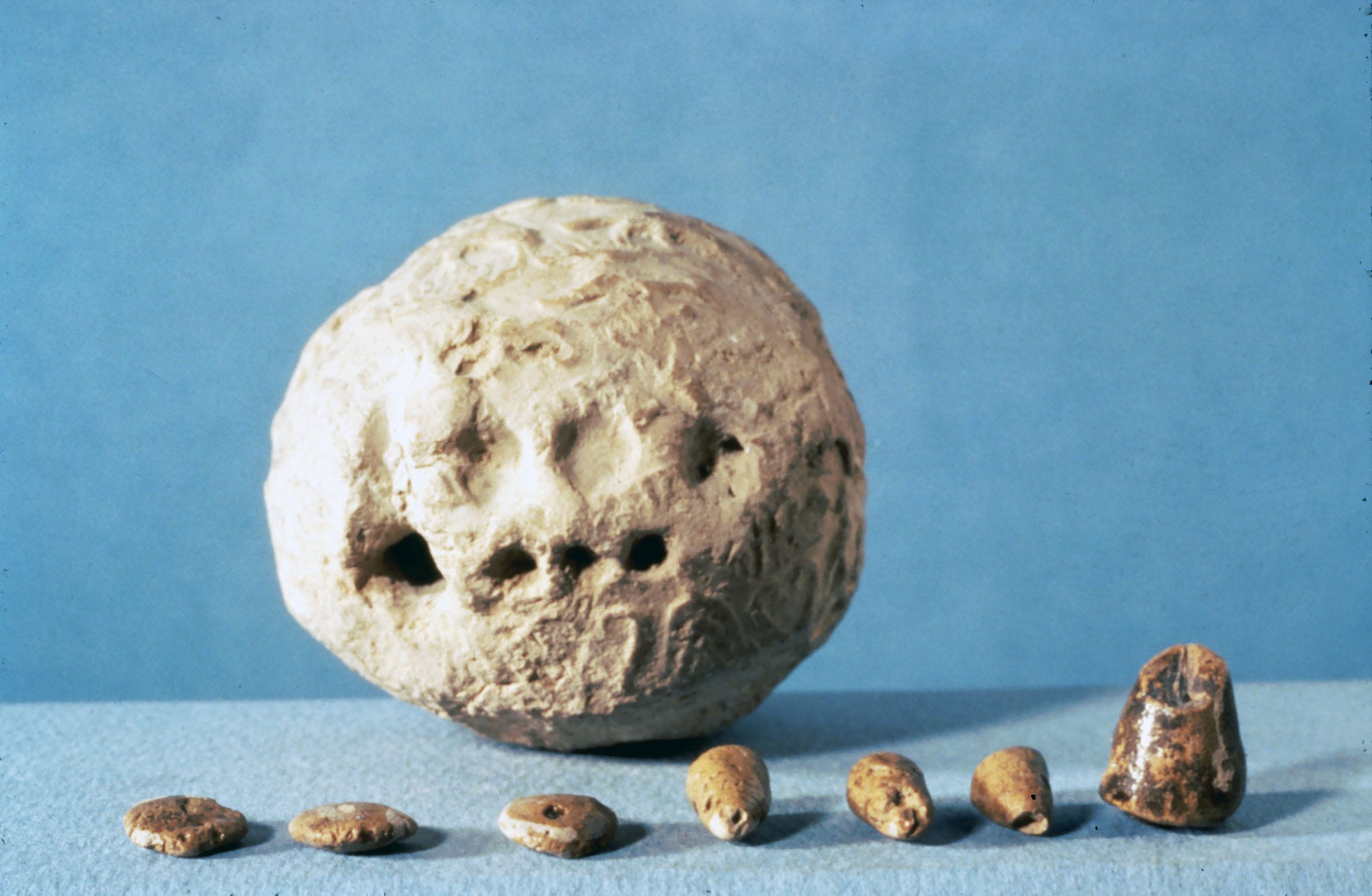
How the nature of money has changed - and what it means for you
Description
Money evolves constantly.
Every day there is some tiny new fintech development, but it’s only when you take a step back and look at the ten-, twenty- or thirty-year picture that you realise just how much things have changed.
What is money today is a far cry from what was money when I was a child. Digital technology barely existed back then. We used cash and these things called cheques. You’ve probably heard of them.
It’s not just what we use as money that evolves. How money is created - that changes too. And just this decade there has been a major evolution. That’s what I am going to talk about today.
Thank you for reading The Flying Frisby. This post is public so feel free to share it.
The creation of money and debt
Once upon a time you would create money by mining gold and silver. But debt-based money systems have also existed since the dawn of civilization, when clay tokens representing valuable items such as barley or sheep would be baked inside clay balls. When the debt was settled the clay balls would be smashed open.
Humans, being the ingenious folk they are, especially when it comes to money, soon found that it was quicker to simply inscribe the clay with pictures of said items and so did the first systems of writing develop - hieroglyphics.
Coins came along, and then the printing press, both remarkably long-lived technologies, but behind it all there was always metal.
Western Europe abandoned gold in 1914 so it could print the money to pay for the First World War, and the United States did the same in 1971 amidst spiralling welfare costs and the conflict in Vietnam. Both years were landmarks in the evolution of money creation.
This became the fiat era, when money became debt. Some physical cash was printed or minted, but money for the most part was created when loans were made. You borrow a thousand pounds to buy a house, the bank created that thousand pounds using the house as collateral and suddenly there was a thousand pounds in the housing market that wasn’t previously there. That’s why houses kept on rising in value - the constant introduction of newly created money through mortgages. Introduce debt into a market and prices rise. If houses were cash based, they’d be a lot cheaper.
Something similar happened in the bond markets and the financial markets with the use of leverage. Leverage is just a fancy term for debt.
There were occasional moments of credit tightening, but the broader trend, especially as economists and governments became obsessed with what they call growth, was for ever expanding credit.
Human beings, being the greedy folk they are, especially when it comes to money, took the whole thing too far, 2008 came along and the bubble went pop.
Then a whole way new to create money was invented: Quantitative Easing. Central Banks now started creating money, and they bailed out the financial system with it.
Then they started using the money to buy government bonds - so they effectively printed money to pay for government spending. They also bought other financial assets. And so lots of newly created money went into the financial system and from there to the expensive houses in which many of those who work in finance live, and we got another decade or more of rising prices.
But because all this newly created money went into financial assets and housing, it didn’t show up on the inflation numbers. Central bank inflation measures don’t include houses or financial assets. So they said there was no inflation.
Then Covid came along.
Central banks could now print money and it doesn’t create inflation, they thought. They forgot about the sleight of hand that was their inflation measures. So they printed more money and the government handed it out to people. That money made its way into the real economy and now we have inflation. And they are all scratching their heads and blaming Vladimir P