Episode Details
Back to EpisodesWho Put the Hell in Helloween
Description
During the Satanic Panic, the notion of Halloween as a Satanic High Holy Day came to prominence, but the elements necessary to this mythology were set in place much earlier.
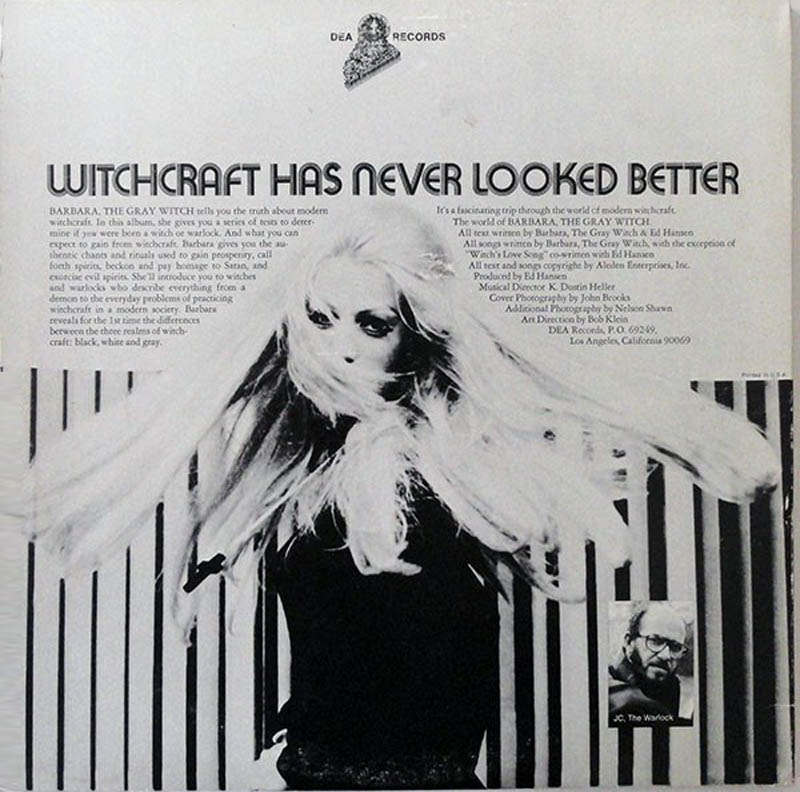
This episode focuses particularly on the early years of Wicca, some missteps in disassociating the movement from Satanism, and early evangelical personalities spinning “ex-Satanist” yarns from this material, which is to say, we focus particularly on the 1960s Occult Revival up to and including 1973. To set the mood for the era’s pop occultism, we hear some audio snippets by records released by witches, Louise Huebner, Gundella the Green Witch, Barbara the Gray Witch, and Babetta, the Sexy Witch.
We first have a quick look at Anton Lavey’s creation of The Church of Satan in 1966. While this sketched out cartoonish tropes of the Panic narrative, Lavey’s carnival-barker style and insistence that there was no actual Satan in his school of Satanism, undermined the influence he might have among all but the most credulous and paranoid.
The real roots of the Panic lay not in Lavey’s publicity stunt, which in the wider historical context was a mere flash in the pan, but in a much older idea conceiving witchcraft and Devil worship or traffic with demons, a notion that held sway for more than seven centuries and therefore not to be quickly rooted out by modern Wiccans.
Some of the sticking points here are rooted in 19th and early 20th century writings on witchcraft by the American folklorist Charles Leland and British Egyptologist Margaret Murray, and their “witch-cult” concept regarding witchcraft as an underground survival of ancient pagan religion. Problematic here too were their identification of the deities of this religion as “Lucifer” (Leland) and “The Horned God” (Murray).
We then turn to Gerald Gardner, the British civil servant, who in his retirement got the whole Wiccan ball rolling, declaring in the early 1950s, that he had been initiated into the ancient mysteries of this witch-cult by members of a surviving Coven in the New Forest region. In particular, we examine the way in which Gardner’s emphasis on UK traditions within Wicca, strengthened an association between Halloween and witches (despite virtually no mention of witch gatherings actually occurring on Halloween in earlier historical writings).
Listen Now
Love PodBriefly?
If you like Podbriefly.com, please consider donating to support the ongoing development.
Support Us