Episode Details
Back to Episodes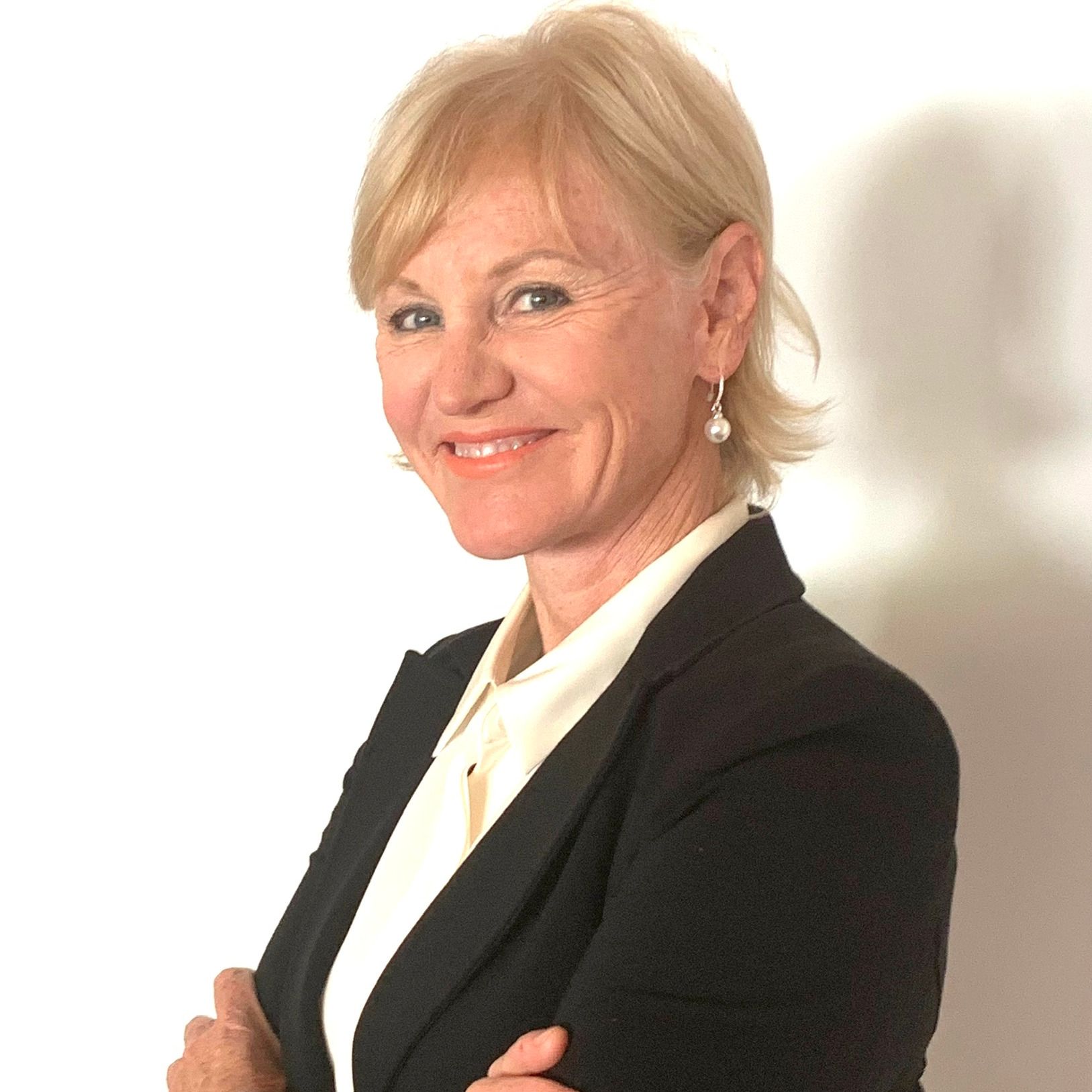
Alison Davis: "U.S. Boards Could Benefit From More Listening Sessions With Key Stakeholders."
Description
0:00 -- Intro.
2:08 -- Start of interview.
2:45 -- Alison's "origin story".
5:07 -- Her experience in management consulting with McKinsey & Co and Kearney.
5:49 -- Her experience as CFO at Barclays Global Investors (now BlackRock) and with private equity as the managing director of Belvedere Capital, focused on investing in US banks and financial services firms. The challenges of banking post-financial crisis and Dodd-Frank (2010).
9:26 -- Her pivot to fintech and blockchain investing. Since 2014 she's been investing in crypto. She co-founded Blockchain Coinvestors with her husband Mathew Le Merle.
11:57 -- Her take on the future of blockchain "I think that it's completely inevitable that fully digital assets and fully digital payments are coming, it's just a matter of time [but timing is everything if you're an investor]." "There is no doubt in my mind that blockchain technology is a massively important component of the next generation of our global digital economy." "We will have fully digitally enabled payment and assets as part of our next generation web [some referred it as Web 3.0]."
13:38 -- On her experience with public company board service. Her first board was in 1998 with Dispatch Management Services Company [Founded in 1994 by Linda Jenkinson and Greg Kidd. DMSC was a publicly traded company that handled point-to-point delivery services]. At the time she was CFO at BGI. Since then, she has served on 22 corporate boards, over half of them public companies, the others in private companies. "It's been fascinating and I really enjoy [this work] enormously."
16:51 -- In 2011 she was invited to join the board of the Royal Bank of Scotland. That was her introduction to U.K. corporate governance. She was on the board for 9 years, because there are term limits in the U.K. [after 9 years, a director is no longer considered 'independent'].
20:25 -- On dual-class share structures adopted in the UK (against the long standing "one share, one vote" principle).
21:24-- On the role of the board in strategy and innovation. "When public companies lose a lot value, 80% of the time it's because of strategy missteps."
25:51 -- How should boards deal with crisis management. "From the crisis that I've experienced as a director, ~40% of them have been due to exogenous factors, and ~60% have been due to self-inflicted wounds (such as bad culture, personality clashes, single person failure, etc)." In the latter case, a lot of them could have been spotted earlier by a really engaged board that was connected enough to the company to understand that these things were arising."
28:21 -- On whether having more inside (executive) directors on boards impacts at all the governance of the company.
29:54 -- On the idea of having employee representatives on corporate boards of directors. "We explored this seriously at RBS, but we decided instead that a sub-committee of the board spend time on 'employee listening sessions' and we created a workers' council to connect on these matters." "I think that U.S. boards could really benefit from more listening sessions with key stakeholders."
32:47 -- On the evolution of sustainability and ESG. Her experience with Barclays Global Investors, and the vision of then CEO
Listen Now
Love PodBriefly?
If you like Podbriefly.com, please consider donating to support the ongoing development.
Support Us